Cultural tourism is the subset of tourism concerned with a country or region's culture, specifically the lifestyle of the people in those geographical areas, the history of those people, their art, architecture, religion, and other elements that helped shape their way of life. Cultural tourism includes tourism in urban areas, particularly historic or large cities and their cultural facilities such as museums and theatres. It can also include tourism in rural areas showcasing the traditions of indigenous cultural communities, and their values and lifestyle. It is generally agreed that cultural tourists spend substantially more than standard tourists do. This form of tourism is also becoming generally more popular throughout the world, and a recent OECD report has highlighted the role that cultural tourism can play in regional development in different world regions.
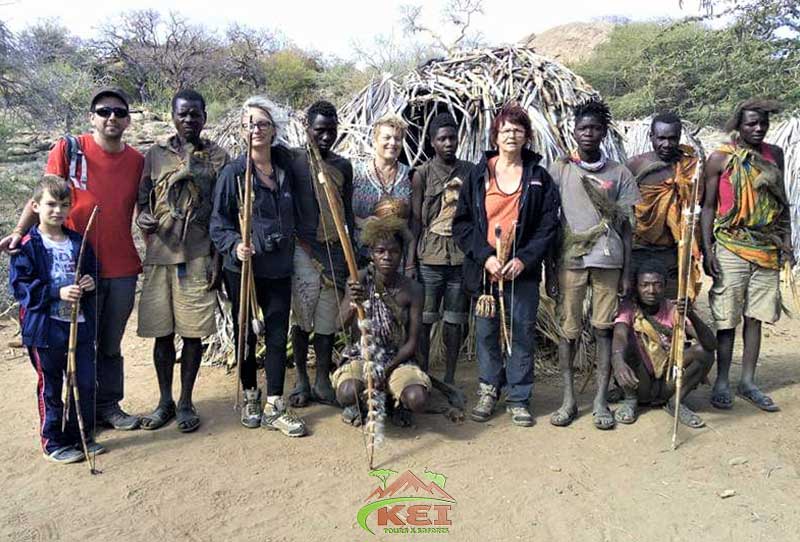
Cultural tourism has been defined as 'the movement of persons to cultural attractions away from their normal place of residence, to gather new information and experiences to satisfy their cultural needs'. These cultural needs can include the solidification of one's own cultural identity, by observing the exotic "other".
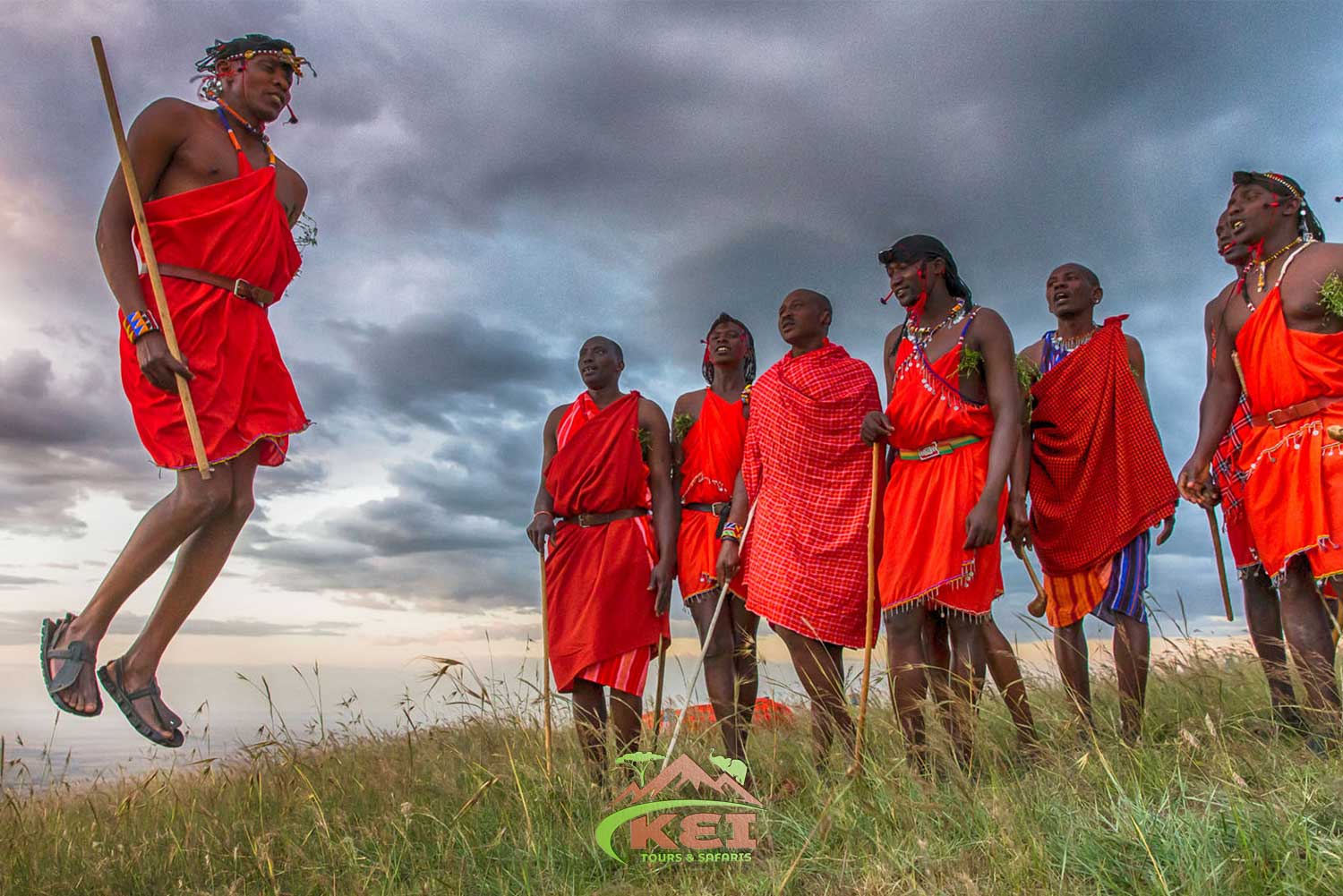
An authentic glimpse into the distinctive Maasai culture is now accessible to Eco-tourists in Tanzania. Preservation of their proud traditions has set the Maasai apart from other indigenous groups in Tanzania, and embodies a side of Africa with which few outsiders can contact. We will offer you a memorable opportunity to interactively experience the Masai way of life through day trips. Guests will be able to participate in a variety of unique cultural activities, and encouraged to delve as deep into the experience as possible!
Far far away, behind the word mountains, far from the countries Vokalia and Consonantia, there live the blind texts.